
CASE STUDY #3
Roof Condition AssessmentUse Case: Roof Condition Assessment and Capital Planning Budget
Asset Type: Medical Office Building
Case Study: Turning Roof Uncertainty into Clear Capital Planning – Medical Office building, Central Eastern pa
Project Overview
RAM Infrared Services conducted a Roof Condition Assessment for a medical office building in Central Eastern Pennsylvania to evaluate roof condition, identify deficiencies, estimate remaining service life, and provide repair and replacement budgeting guidance to support long-term planning.
The Challenge
During a property evaluation, the building owner needed reliable insight into the condition of the roof systems and potential financial exposure associated with them.
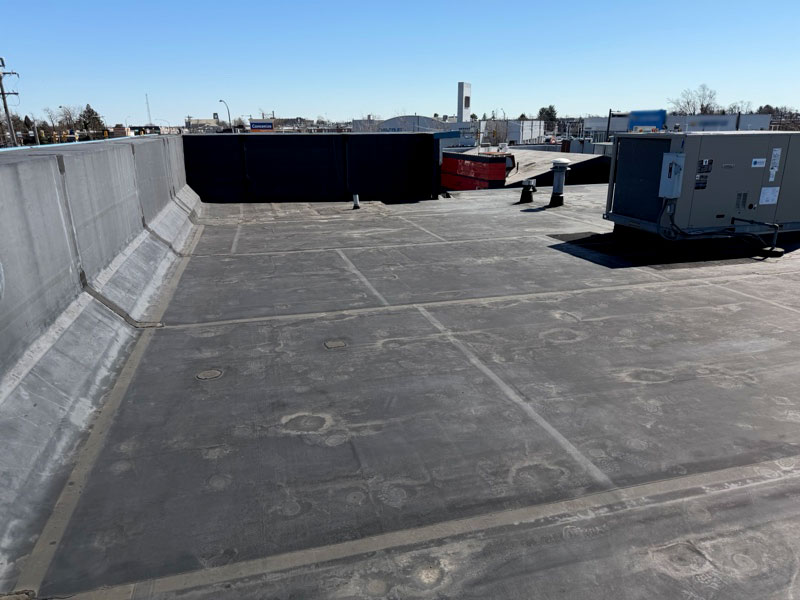
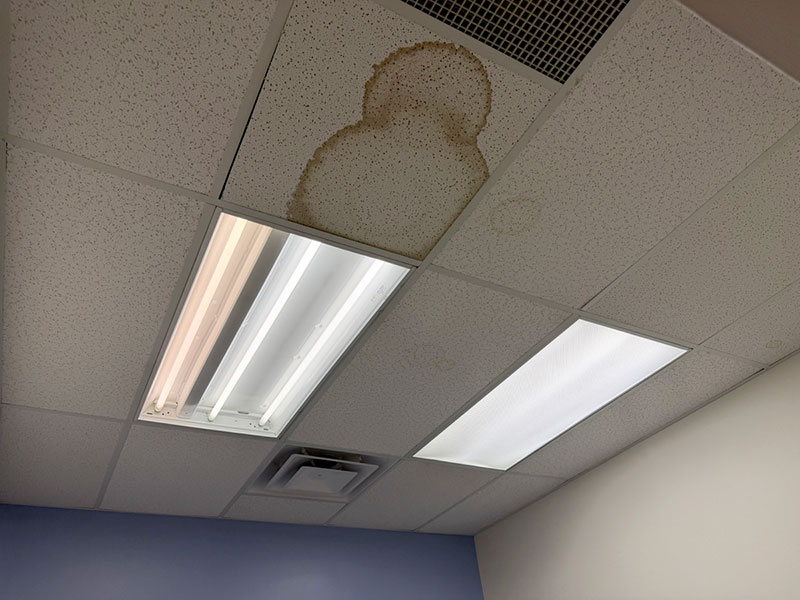
Although the building was not experiencing active leaks at the time of the inspection, there had been a previous history of leaks around rooftop HVAC units. In addition, documentation regarding roof age, installation history, and manufacturer warranties was unavailable.
Without a professional assessment, the owner had limited visibility into:
- Remaining roof service life
- Potential repair risks
- Replacement timelines
- Future capital budgeting needs
Assessment Overview
To give the property owner a clear understanding of the building’s roof systems and their remaining service life, RAM Infrared Services conducted a comprehensive Roof Condition Assessment. The evaluation documented existing conditions, identified deficiencies, and provided the information needed to support repair planning and future capital budgeting.
As part of the process, RAM Infrared Services performed a comprehensive visual roof condition assessment to evaluate roof performance and support informed maintenance and capital planning decisions, including:
- Visual inspection of all accessible roof areas and system components
- Identification of roof system types and installation characteristics
- Documentation of membrane conditions, flashing details, and penetrations
- Photographic documentation of observed deficiencies
- Remaining Estimated Useful Life (REUL) projections for each roof system
- Budget guidance for near-term repairs and long-term replacement planning
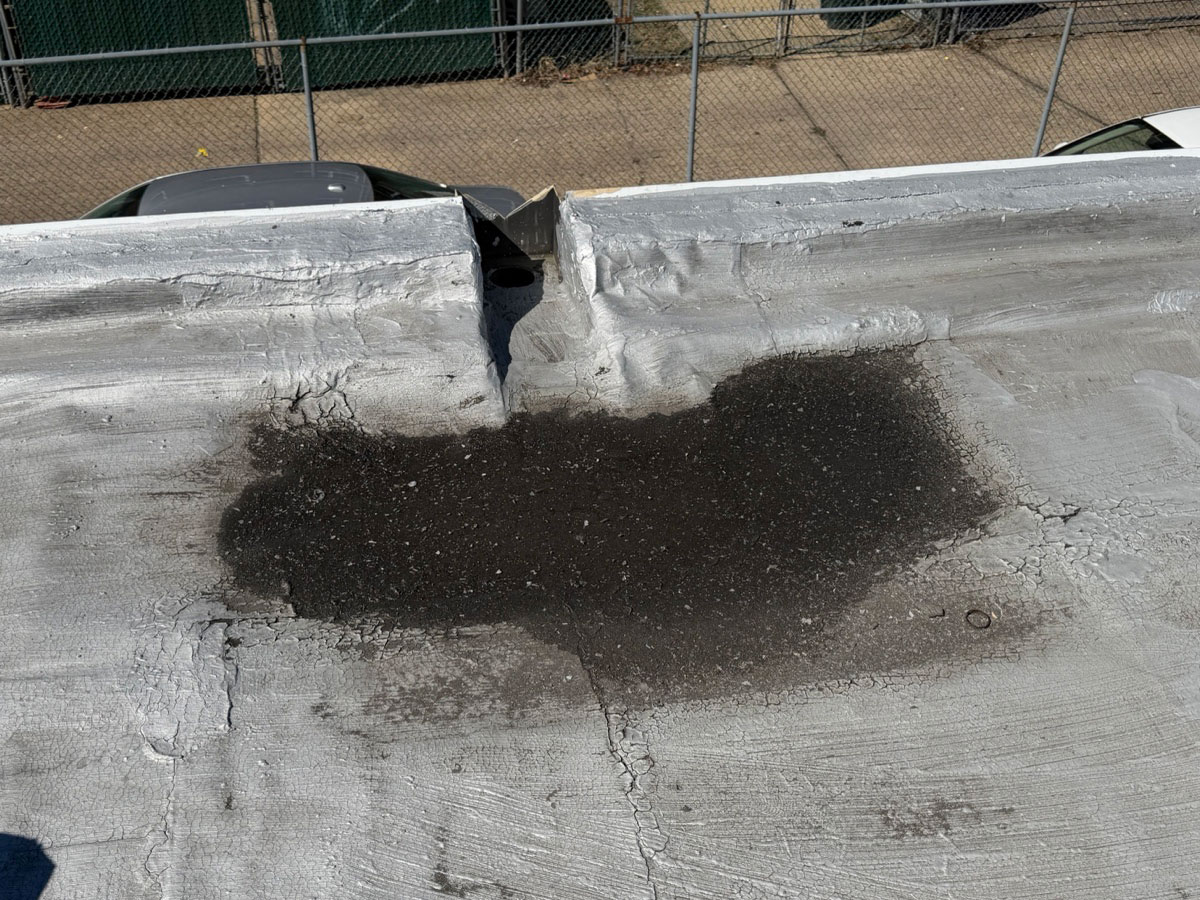
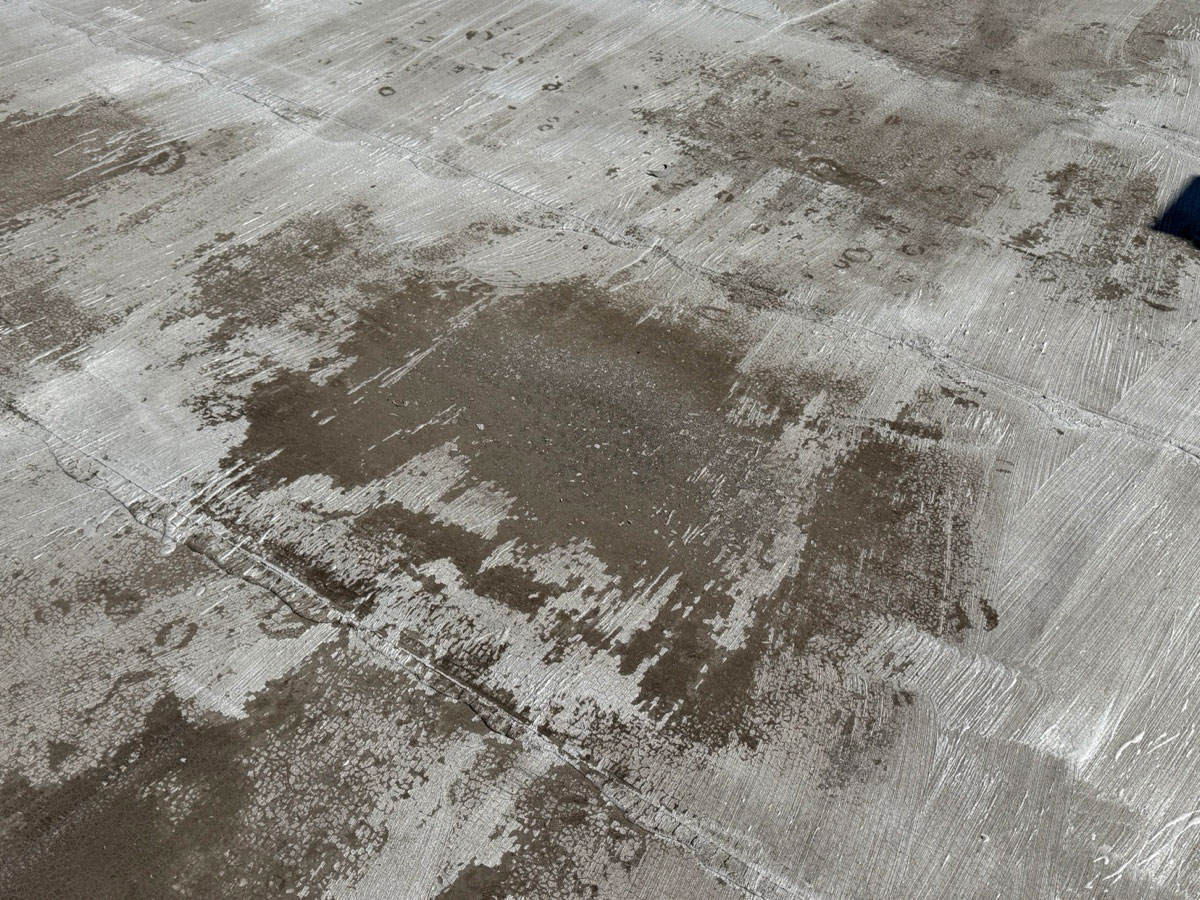
The assessment revealed that the building contains two roof systems installed during different periods, each in a different stage of its service life. While no active leaks were observed during the inspection, several areas of deterioration and aging components were identified that will require maintenance and future replacement planning.
Roof Area 1 – Modified Asphalt Roof System
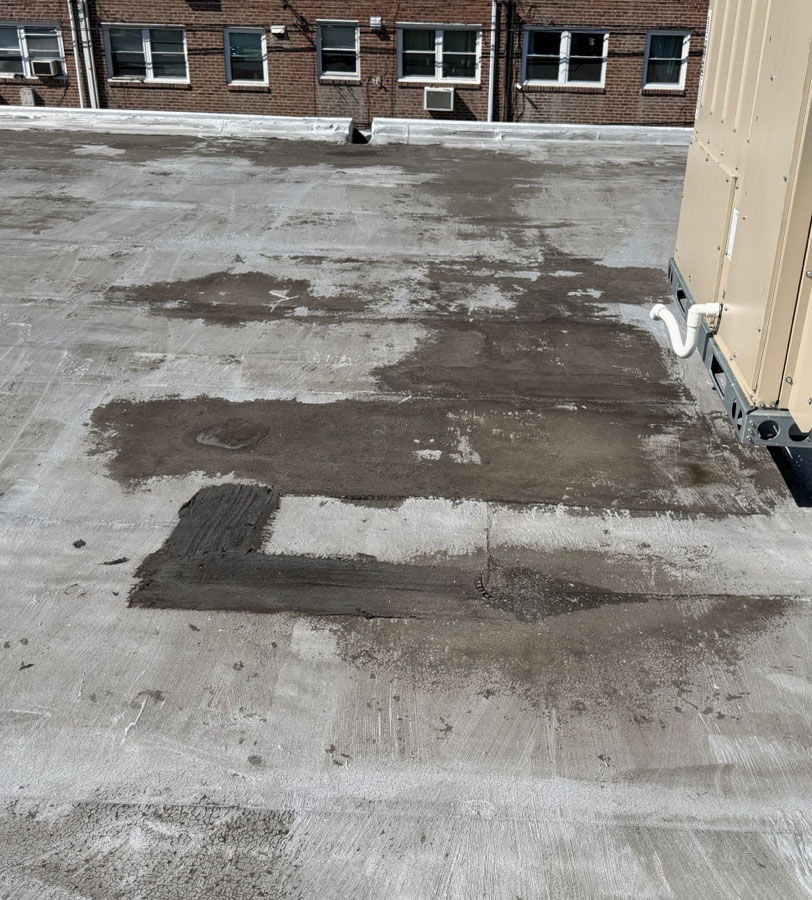
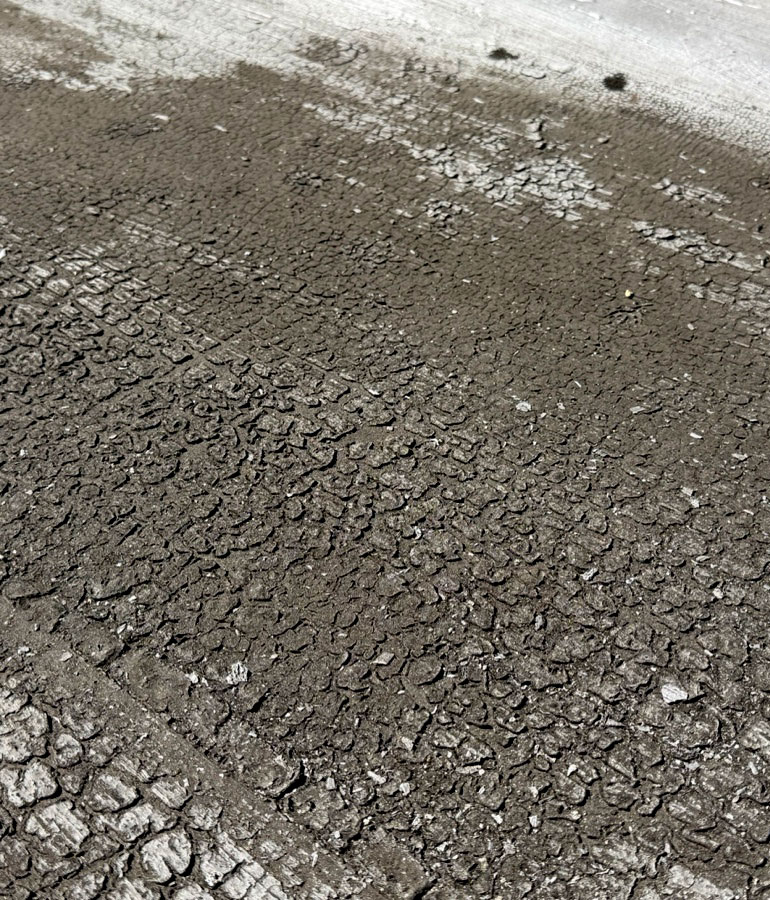
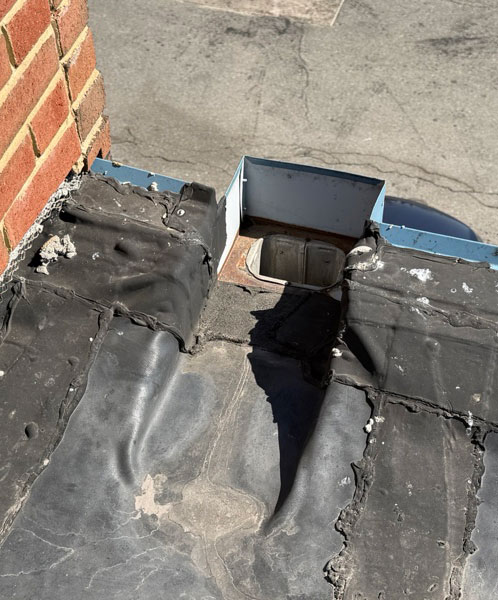
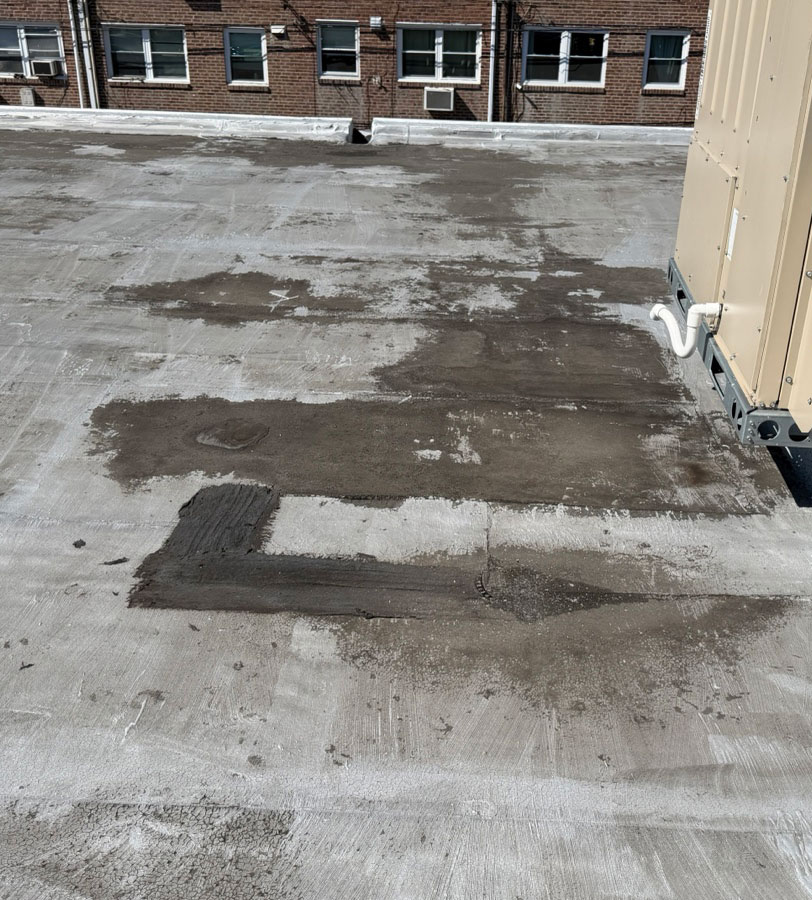
This section of the roof was found to be in poor condition with visible signs of aging and deterioration. Observed issues included cracking of the roof surface, deteriorating membrane conditions, lifting edge flashing, and loose counterflashing around rooftop equipment. Based on the current condition, the remaining estimated service life for this system is approximately 1 to 3 years, indicating that replacement will likely be required in the near term.
Roof Area 2 – EPDM Roof System
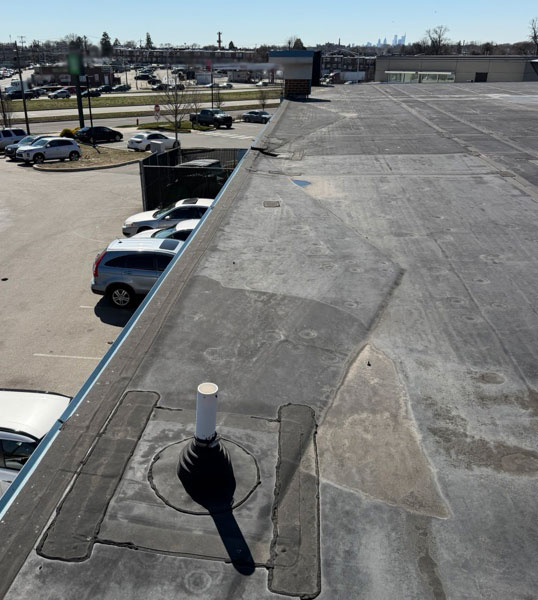
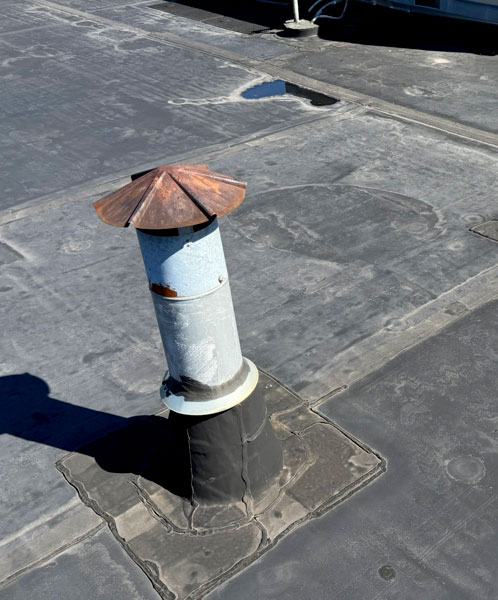
The second roof area consists of an adhered EPDM membrane system and was observed to be in fair to poor condition. Minor deficiencies were identified, including an open edge at a pourable sealer pocket and typical aging conditions around roof penetrations and flashing details. Based on current observations, the remaining estimated service life for this system is approximately 5 to 7 years with routine maintenance.
These findings provide the building owner with clear visibility into the current condition of the roofing systems and allow for proactive planning of repairs, maintenance, and future capital improvements.
Remaining Service Life & Planning Considerations
Based on observed conditions, the building’s two roof systems were determined to be in different stages of their service life. The modified asphalt roof section is nearing the end of its effective lifespan, while the EPDM roof system remains serviceable but will require maintenance and future replacement planning.
RAM Infrared Services emphasized that remaining roof life is influenced by factors such as weather exposure, maintenance practices, and the timely correction of identified deficiencies.
Rather than focusing solely on current conditions, the assessment helped the property owner understand the types of roofing-related expenses and planning decisions that typically arise as roof systems age, including:
- Increased frequency of maintenance and localized repairs
- Short-term repairs required to manage risk and extend service life
- Near-term planning for replacement of the aging roof section
- Long-term budgeting for replacement of the second roof system
- Potential unknown conditions that may be discovered during future roof replacement
This insight allowed the property owner to better understand the current condition of the roof assets and incorporate roofing considerations into long-term maintenance planning and capital budgeting decisions.
Why Roof Assessments Matter
Roof systems are major capital assets, yet many building owners lack clear visibility into their condition until leaks or failures occur. A professional roof assessment provides the insight needed to identify deficiencies, estimate remaining service life, and understand future repair or replacement needs.
With this information, owners can plan maintenance and capital improvements proactively rather than reacting to unexpected roofing problems.
The Takeaway
Through this Roof Condition Assessment, RAM Infrared Services helped the property owner gain a clear understanding of the building’s roofing systems, their current condition, and the planning considerations associated with each.
Instead of relying on assumptions, the owner now has documented insight into remaining roof life, potential repair needs, and future replacement planning. This information supports smarter maintenance decisions, better capital budgeting, and long-term protection of the building’s roofing assets.